CAPS done thoroughly — and a little extra, where we can.

From Grade R to Grade 7 we follow the Curriculum and Assessment Policy Statement (CAPS) carefully. The pages below tell you what each subject looks like in our classrooms, and how a learner grows from a five-year-old in Grade R into a young adolescent ready for high school.

Core curriculum (CAPS)

The six subject areas, taught with care.

Our LOLT is Setswana in the Foundation Phase, transitioning to English from Grade 4. Most learners speak Setswana at home; many also speak Sepedi or IsiZulu.

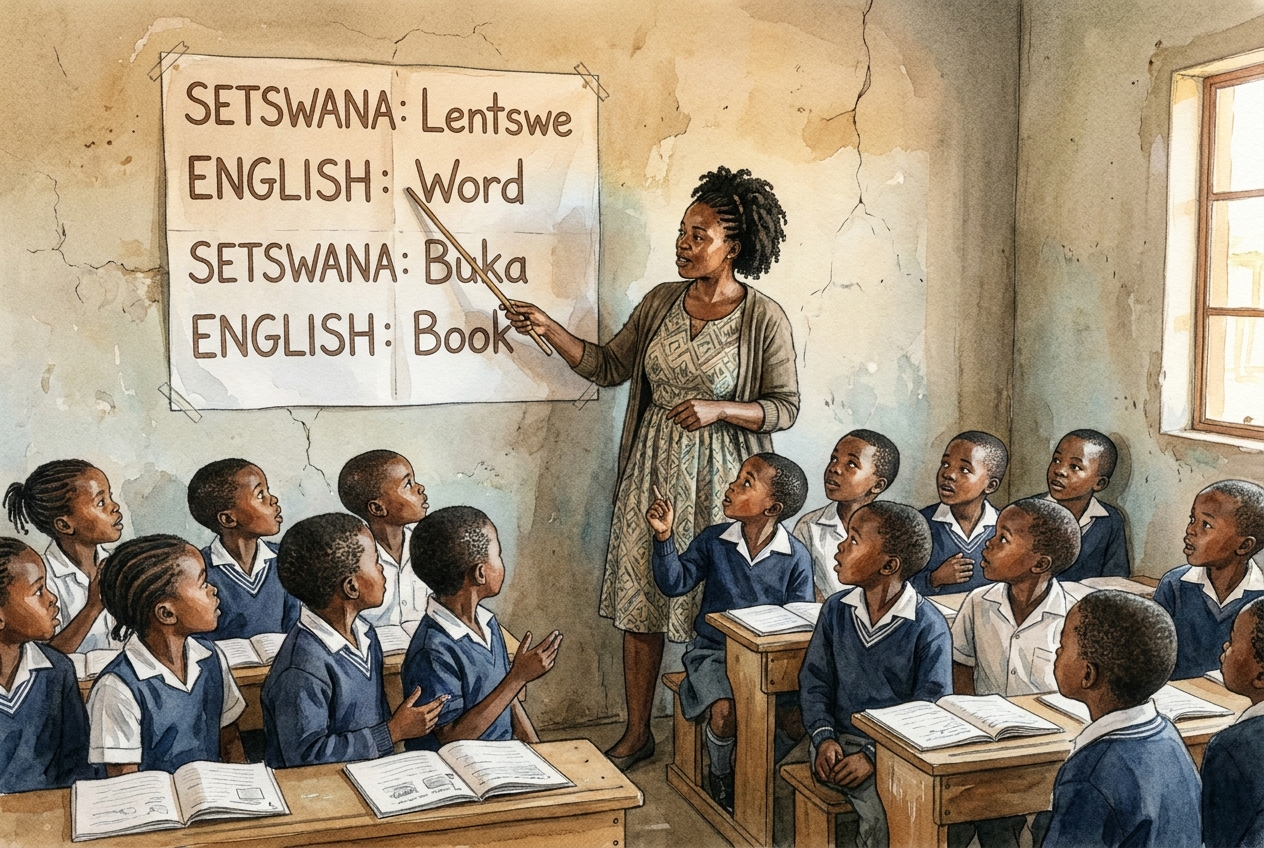
Grade R – 7 A teacher pointing to printed words on a chart while learners read aloud in unison.

Languages

Setswana Home Language · English First Additional Language

  • Goal — every Grade 3 learner reads a 250-word passage with comprehension.
  • How — phonics-first, daily “Drop Everything And Read” quarter-hour, paired reading buddies.
  • Special — termly storytelling competitions in both languages.
  • Assessment — running records, oral fluency checks, written tasks.
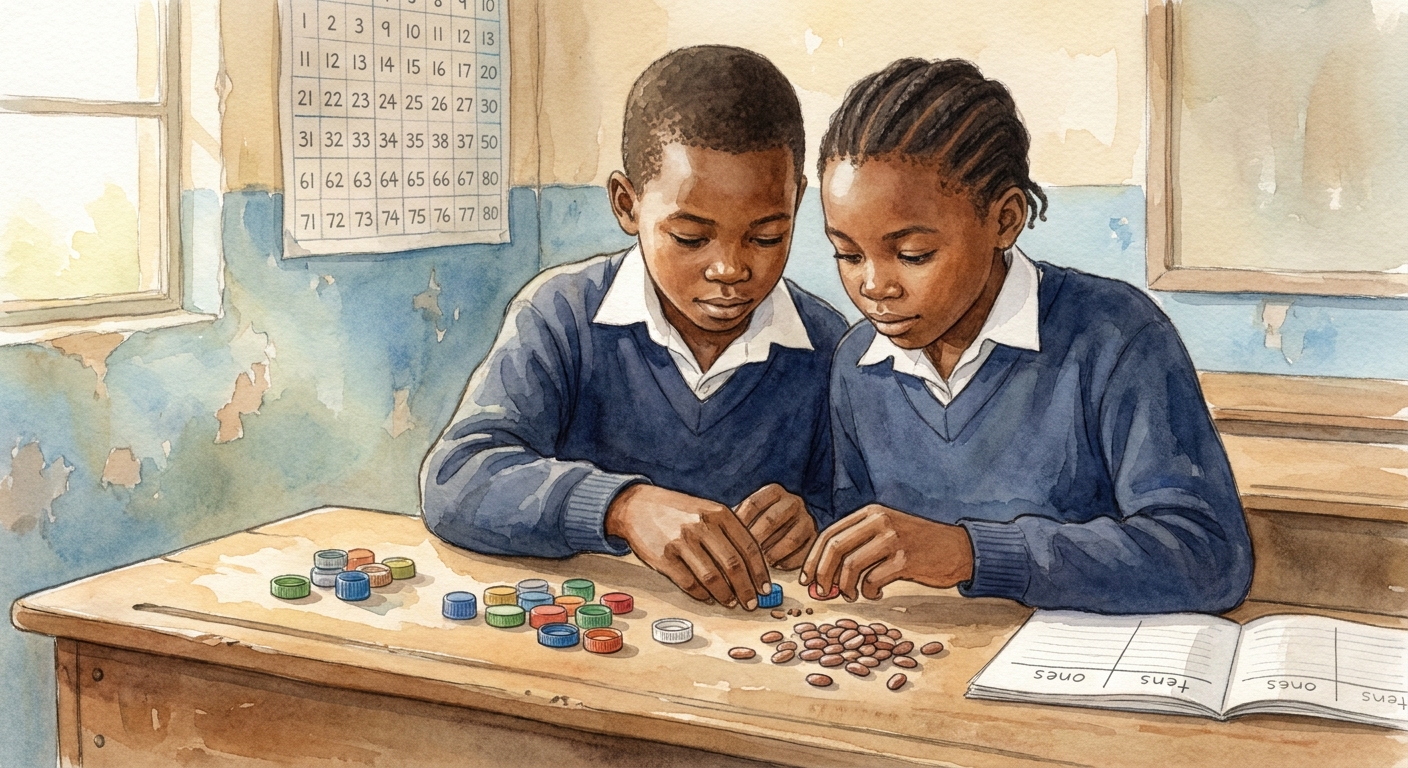
Grade R – 7 Two Grade 4 learners using bottle caps and beans to do place-value counting on a wooden desk.

Mathematics

Mental maths · word problems · everyday measurement

  • Goal — number sense, fluency with the four operations, problem-solving in context.
  • How — concrete first (caps, beans, sticks), then pictorial, then abstract.
  • Special — weekly maths-in-the-tuck-shop where Grade 6 runs the snack table.
  • Assessment — termly tests, mental-maths trackers, problem-of-the-week.
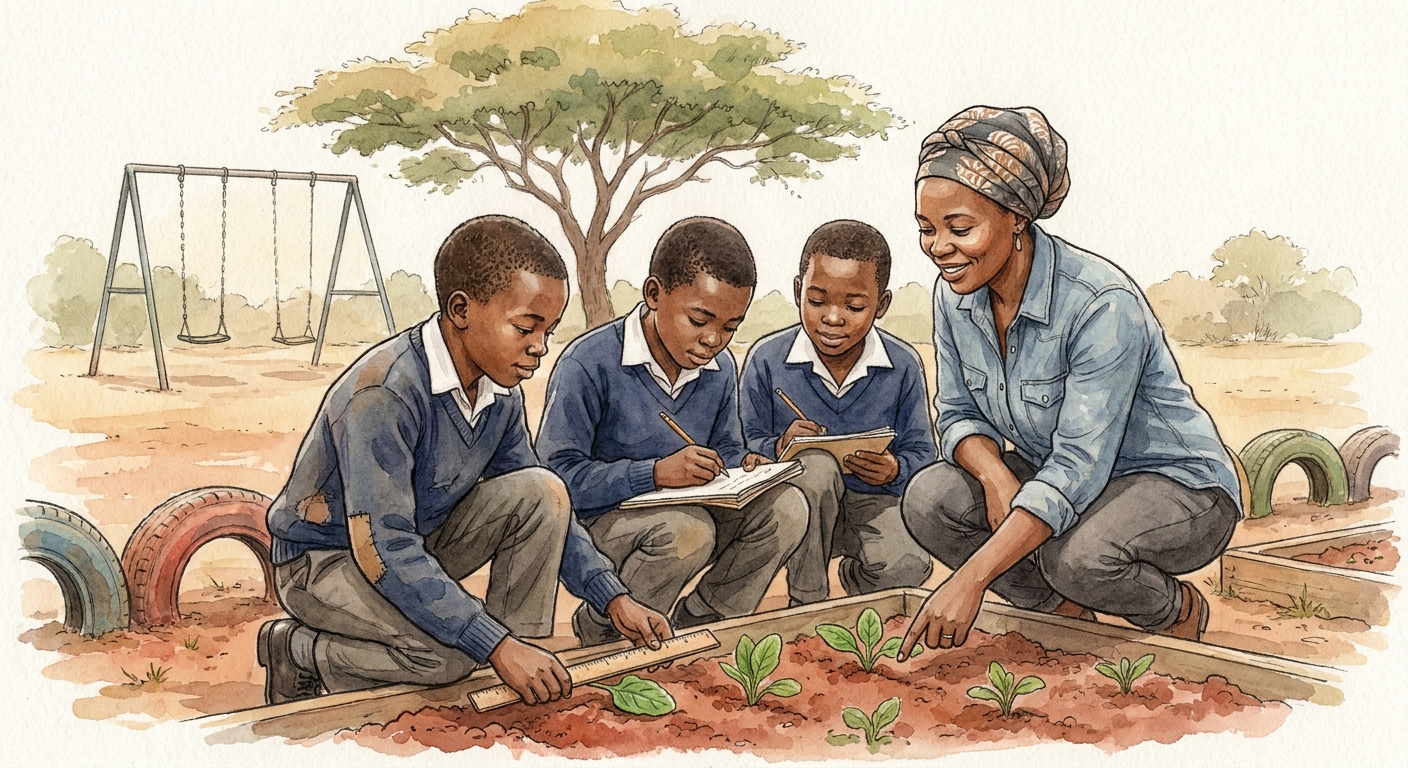
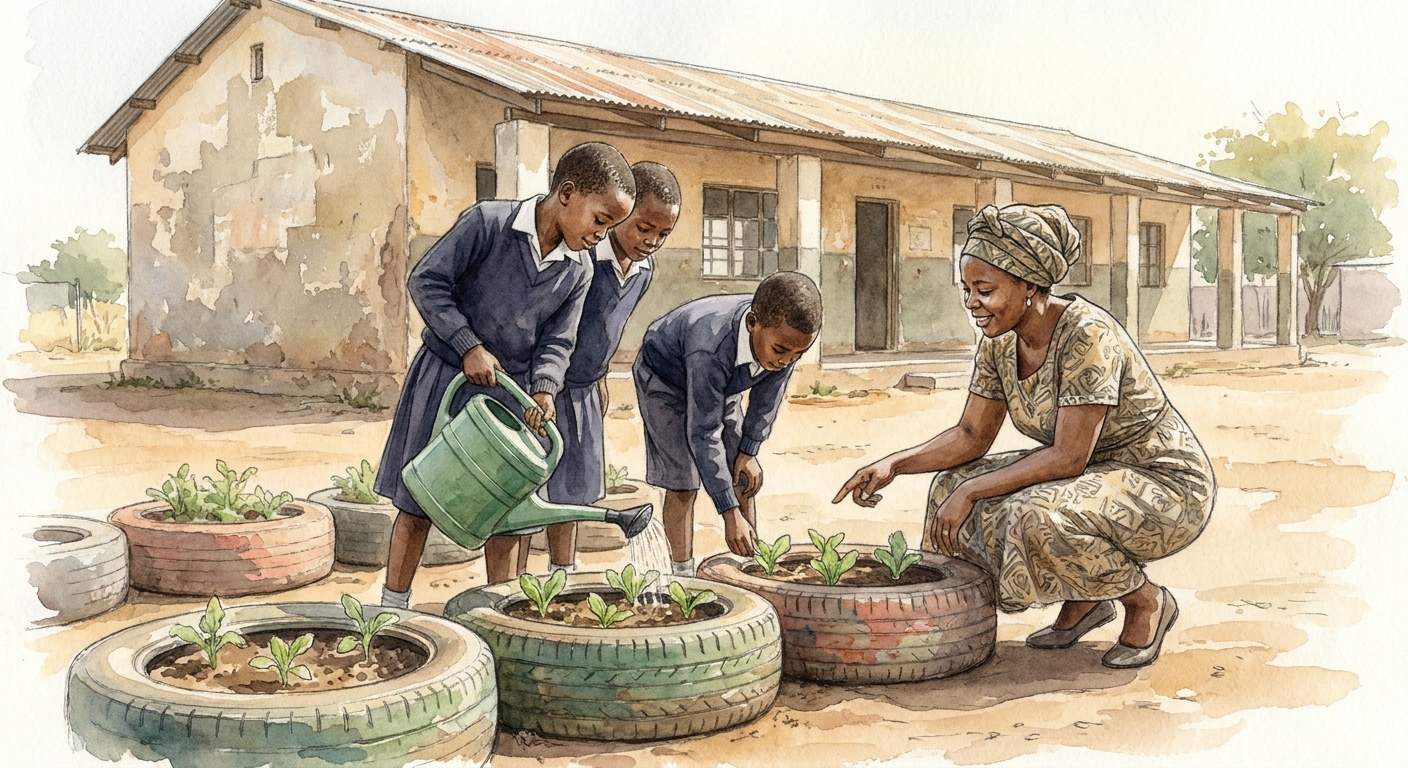
Grade 4 – 7 Grade 5 learners examining seedlings in a small school garden bed at the edge of the playground.

Natural Sciences & Technology

Inquiry-based, hands-on, low-resource

  • Goal — curiosity about the world, basic scientific reasoning, simple design thinking.
  • How — the school garden, weather diaries, kitchen-table experiments.
  • Special — annual Bojanala District Science Expo entry from Grade 6 & 7.
  • Assessment — practical investigations, simple project portfolios.
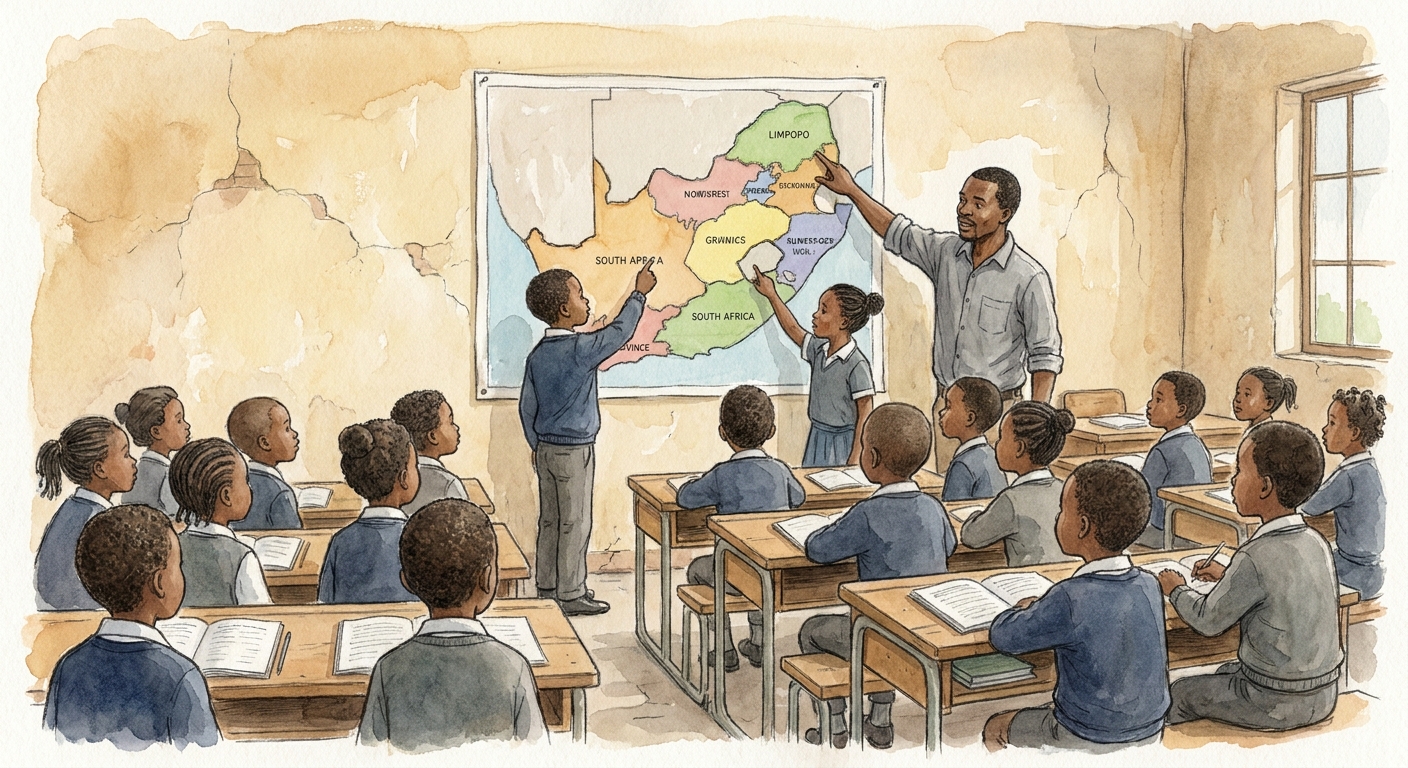
Grade 4 – 7 A Grade 6 class with a hand-drawn map of South Africa pinned to the wall, learners pointing at provinces.

Social Sciences

History · Geography · Local heritage

  • Goal — locate yourself in time and place: family, township, province, country.
  • How — story-based history, fieldwork around Makapanstad, oral history with elders.
  • Special — Grade 7 “Our Place” heritage project for Heritage Day.
  • Assessment — short reports, source-based questions, group presentations.
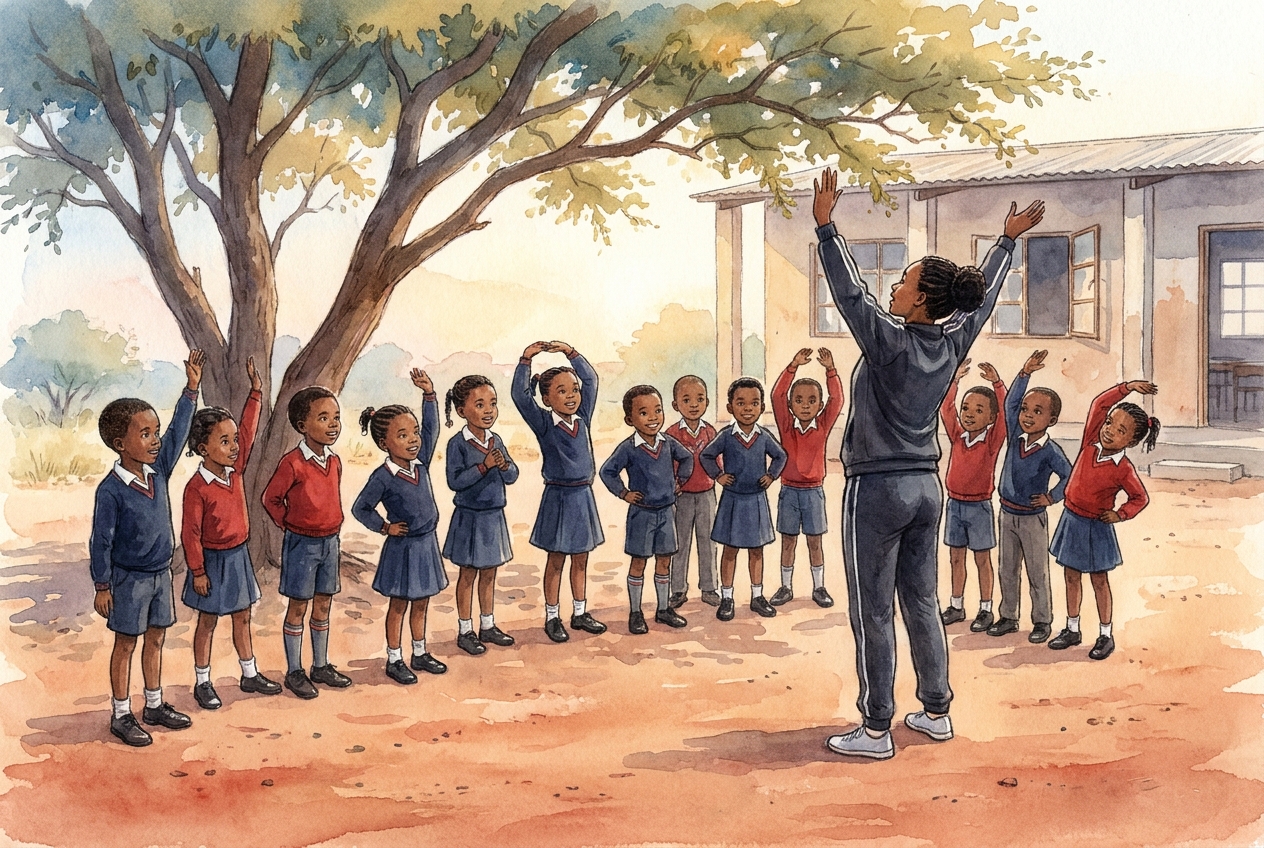
Grade R – 7 Children doing simple stretches outdoors during a Life Skills physical education period.

Life Skills

Personal & Social Wellbeing · PE · Creative Arts

  • Goal — healthy bodies, self-respect, expressive voice through music, art and drama.
  • How — circle time, structured outdoor play, movement-and-music in the Foundation Phase.
  • Special — annual school concert each October, choir entry to district festival.
  • Assessment — observation, participation rubrics, creative pieces.
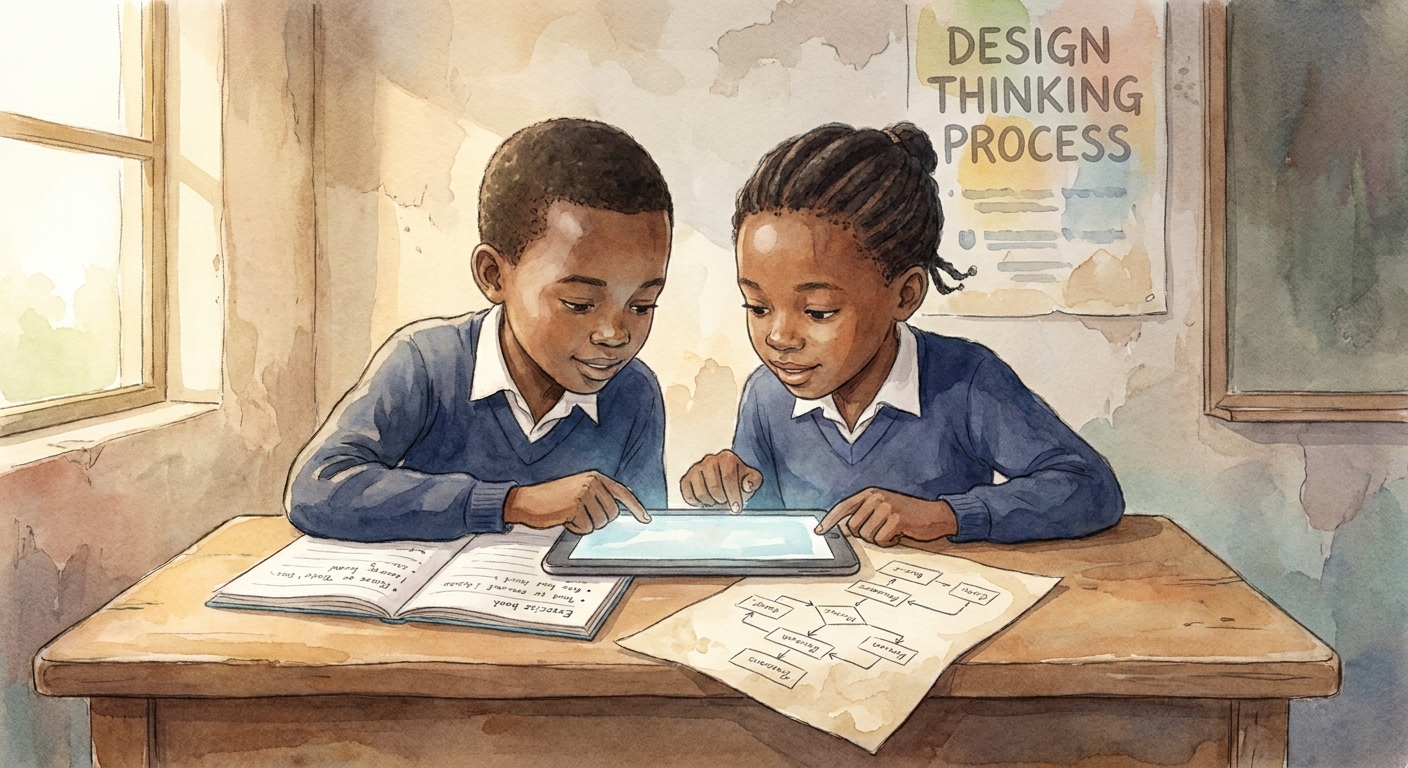
Grade 4 – 7 Two learners share a tablet to look up information for a class project.

Technology & Coding

Hands-on design · light digital literacy

  • Goal — confident makers; basic computer fluency for Grade 7 leavers.
  • How — design-make-evaluate cycles using cardboard, recycled bottles, tape, then small electronics.
  • Special — Coding & Robotics pilot programme (donated tablets, off-line apps).
  • Assessment — prototype critique, group reflection, simple coding tasks.
R

Foundation in play

Letters, numbers, songs, friendship.

1–2

Reading takes off

Phonics, decoding, sentence-writing.

3

Fluent young readers

Comprehension & story-telling.

4–5

Switch to English

Inquiry, longer writing, problem-solving.

6

Independent learners

Projects, presentations, leadership.

7

Ready for high school

Exam practice, career talks, transitions.

Enrichment programmes

Five things we make time for, even when the timetable is tight.

Run after school or in dedicated Friday slots. Free for every learner — no club fees, no kits to buy.

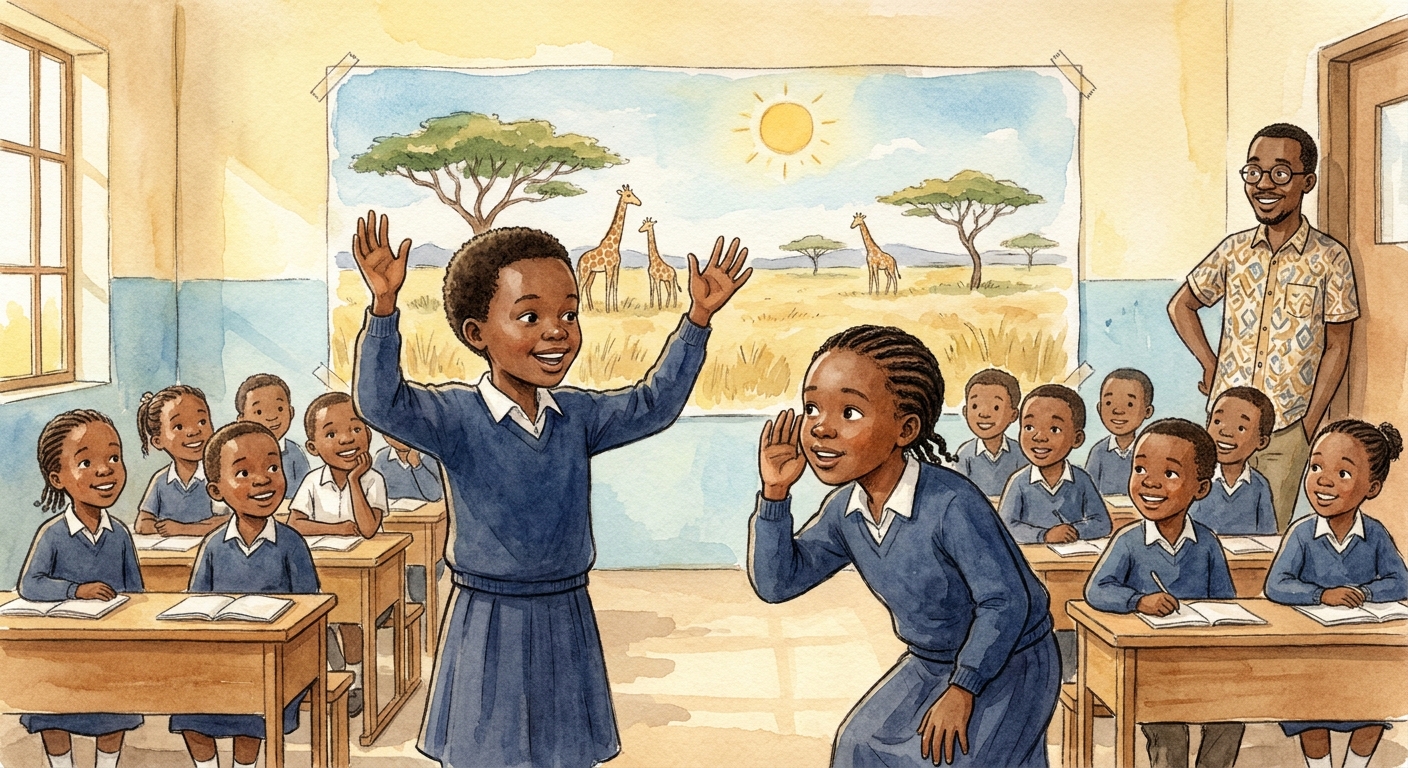
Two Grade 5 learners performing a short skit at the front of a brightly painted classroom.
Confidence & voice

English Drama Club

Tue & Thu · 14:30–15:30 · Grades 4–7 · Mr Mahlangu

Short plays, choral verse and improvisation. Helps the move from Setswana to English feel less like a wall and more like a stage. Performs at the year-end concert and at the District Drama Festival.

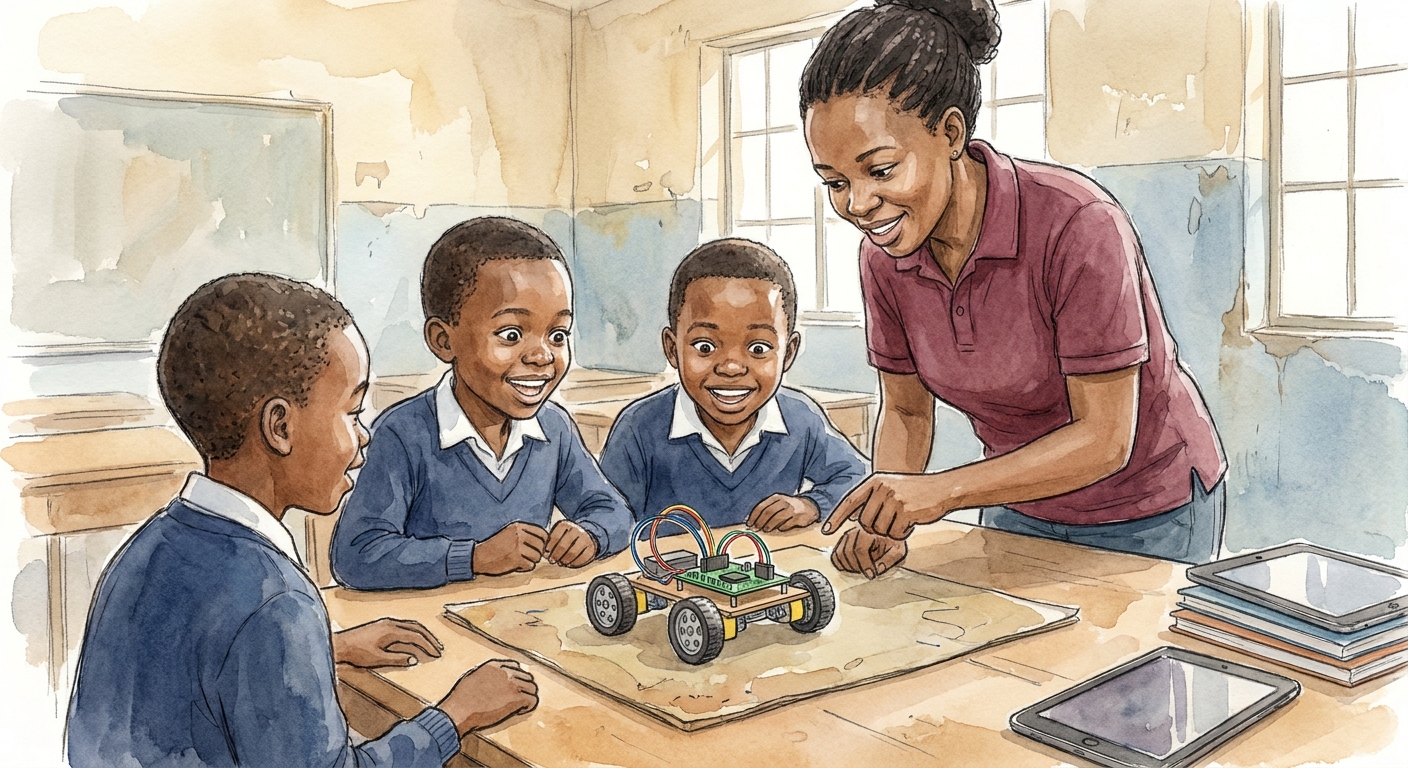
Children gathered around a small robotic kit on a desk, smiling as the wheels move.
Make & tinker

Coding & Robotics

Wed · 14:30–16:00 · Grades 6–7 · Mrs Sefadi

Twelve donated tablets and three starter robotics kits, run as a small piloted club. Learners progress from Scratch-style block coding to simple sensor projects.

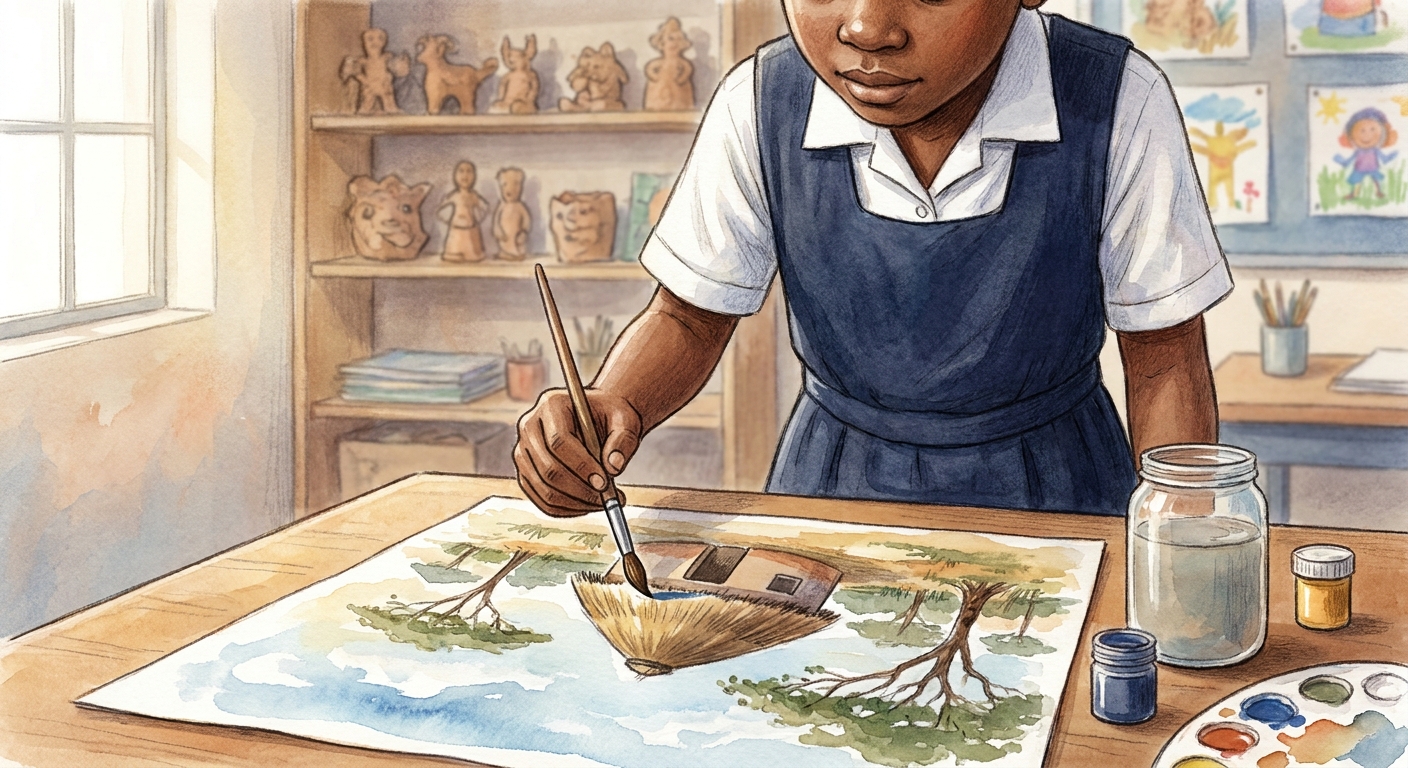
A learner concentrating on a watercolour painting of a hut surrounded by acacia trees.
Create

Visual Arts & Calligraphy

Fri afternoons · all grades · Ms Bopape

Mostly drawing, painting and lettering. Simple materials, lots of practice. Annual exhibit on the corridor wall outside the office.

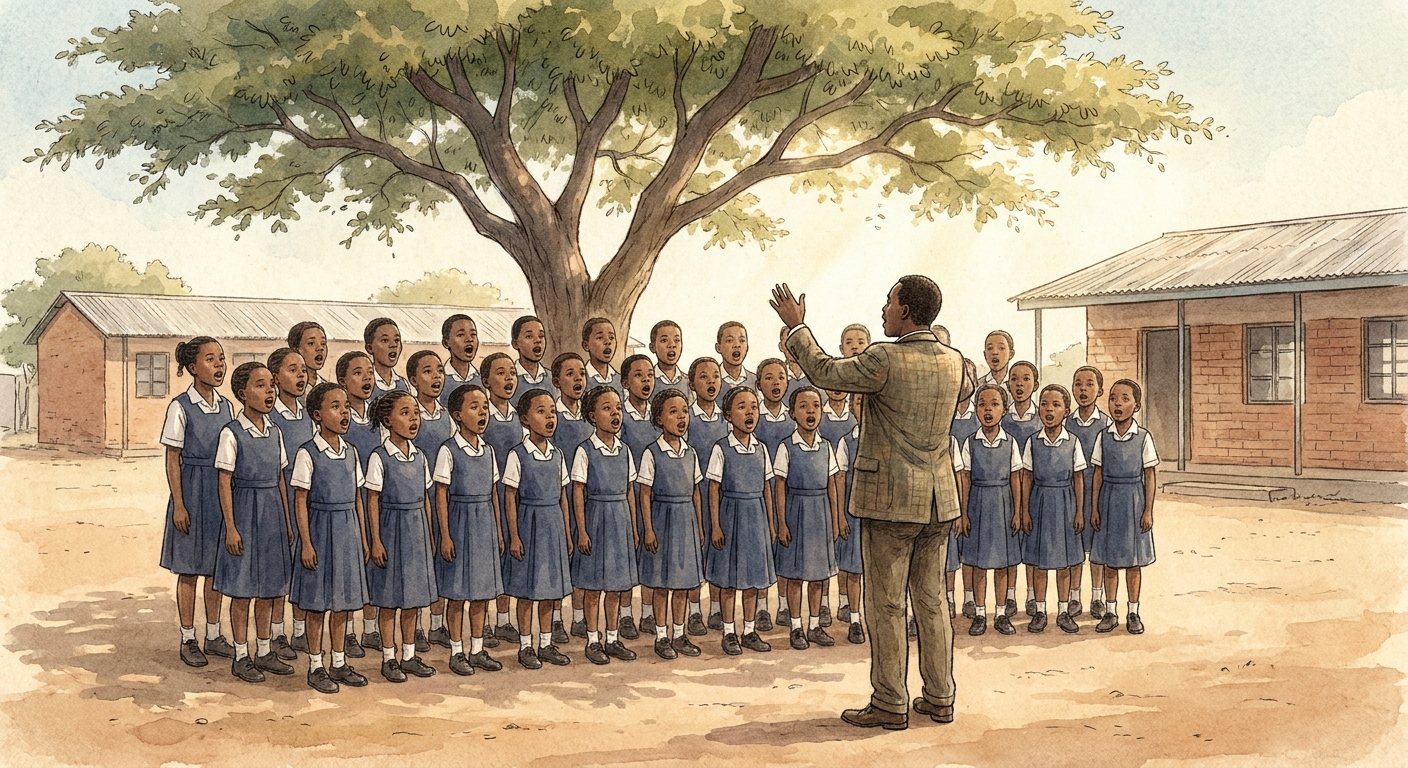
The school choir in navy and white uniforms singing in two rows under a tree.
Sing

Choir & Marimba

Mon & Wed · 14:30–16:00 · Grades 4–7 · Mr Mokoena

A 36-voice choir and a small marimba ensemble. Setswana, Sepedi and English repertoire. Performs at every assembly and the district choral festival.

Learners in school uniforms watering young vegetable plants in raised beds.
Grow

Edible Garden & Heritage

Tue afternoons · Grades 5–7 · Mr Tshabalala

Spinach, beetroot and onions for the NSNP kitchen, plus a small indigenous-plant corner with morogo and aloe. Grade 7 learners interview elders about traditional foods.

A typical school day

From the gate at 07:30 to the last bus at 15:30.

Days are predictable on purpose. Routines help children — especially the younger ones — feel safe enough to learn.

Gates open

Learners filter in, breakfast porridge served.

Morning circle

Anthems, prayer, a daily thought.

Periods 1–2

Languages or Mathematics first.

Long break

Outdoor play, supervised.

Periods 3–4

Skills and inquiry subjects.

NSNP lunch

Hot meal, then quiet time.

Periods 5–6

Life Skills, art, sport, projects.

Clubs & aftercare

Choir, robotics, garden, drama.

Last bus home

Aftercare runs until 17:30.